Why Nearby Homes Can Have Different Values

Why Nearby Homes Can Have Different Values

“My neighbor’s house sold for that much. Shouldn’t mine be worth about the same?”
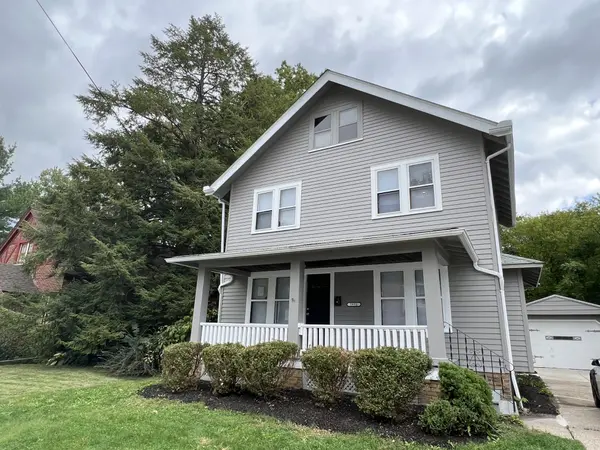
It’s a reasonable question. Whether you live in Westlake, Rocky River, Bay Village, Avon, or Lakewood, a nearby sale can offer useful context. But proximity alone doesn’t make two homes equally valuable. Condition, design, location, and recent comparable sales all help determine a home’s value.
Here’s how those differences can influence the way buyers compare homes.
Condition: What Will Need Attention?
Two homes may look similar from the street but come with very different maintenance needs.
Imagine one has a recently replaced roof and well-maintained mechanical systems, while the other needs both addressed. A buyer may factor that potential expense—and the work involved—into an offer.
Condition goes beyond appearances. Buyers are also considering how much they’ll need to take on after moving in.
Updates: What Has Changed, and How Well Was It Done?
Updated kitchens, bathrooms, flooring, and lighting can make a home more appealing. But the quality, functionality, and consistency of those updates matter, too.
A kitchen renovation that improves storage and everyday use may offer a different benefit than one that simply changes the finishes.
It’s also important to separate renovation cost from resale value. Spending a certain amount on an improvement doesn’t automatically increase your home’s value by that same amount.
Layout: How Does the Home Actually Live?
Similar square footage doesn’t necessarily mean similar usefulness.
Think about two equally sized homes: one has comfortable bedrooms, accessible storage, and a kitchen that connects naturally to the living spaces. The other has awkward room arrangements or space that’s difficult to use.
Buyers bring different preferences, but they’re evaluating how the home fits their daily routines—not just the number on the listing.
Location: The Differences Within a Neighborhood
Location matters at a smaller scale than the city or subdivision.
Traffic, backyard privacy, lot size, views, and proximity to parks or everyday destinations can influence a buyer’s comparison. Even homes on the same street can offer different experiences.
A feature one buyer values may be less important to another, so its effect on price needs support from comparable sales.
What This Means for Your Home
Your neighbor’s sale is a starting point. A useful comparison considers what sold, when it sold, and how its condition, updates, layout, and setting compare with yours.
Before setting a price—or renovating in anticipation of selling—understanding those differences can help you make a more informed decision.
What’s one feature of your home that someone wouldn’t appreciate just by looking at its square footage?
Categories
Recent Posts